
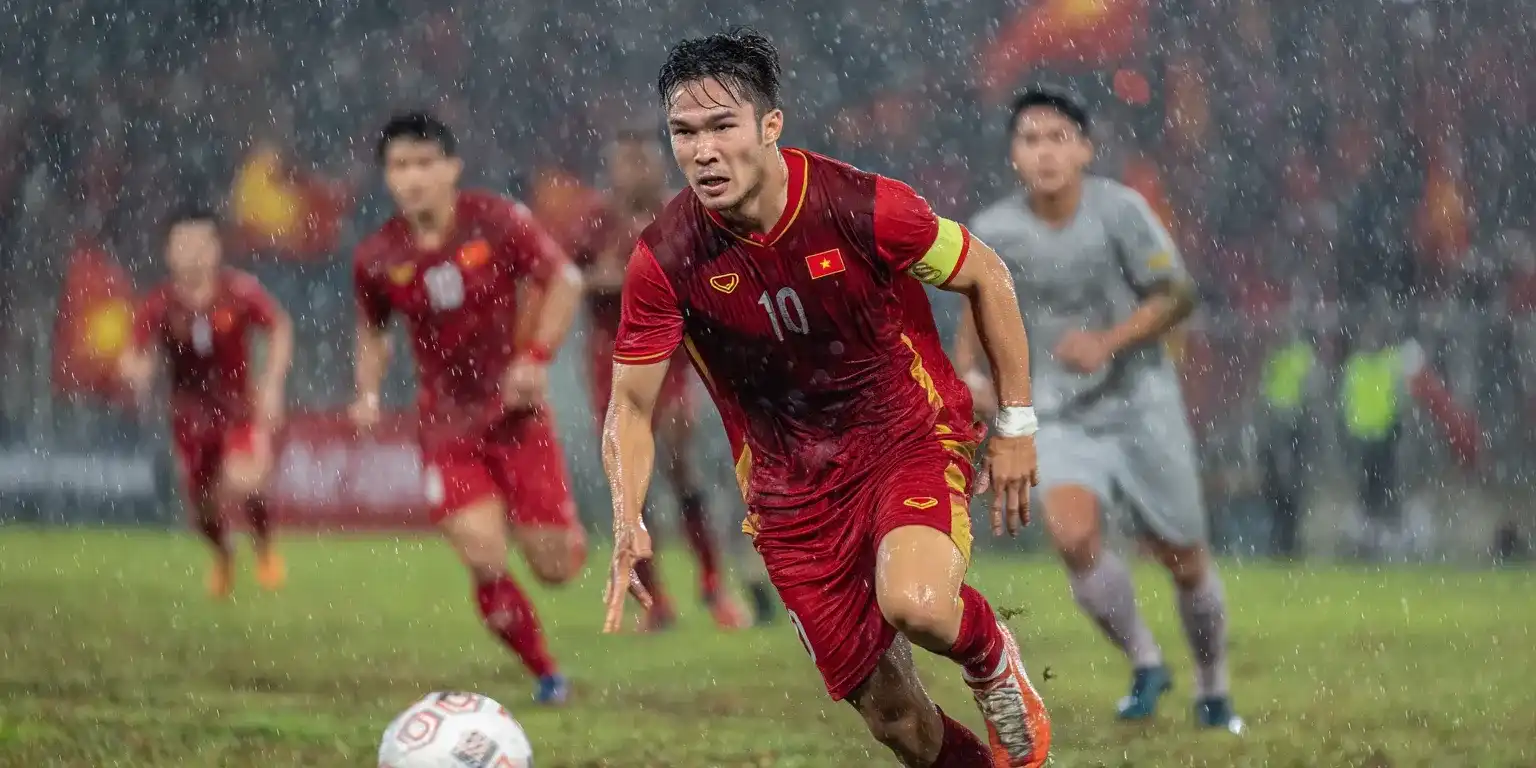
jogos de hoje com placar ao vivo: Match Previews in Brazil in 2026
Next Matches
These are the next appointments, not last night's scoreboard. Check the time column first if you are planning what to follow live, then read the pairing.
Before kickoff, a good preview helps explain what is at stake without turning football into a series of guesses. This page brings together match context, team trends, criteria for following lineups, and ways to interpret the results of jogos de hoje com placar ao vivo. The focus is on tournaments that capture the attention of Brazilian fans, from domestic competitions to European nights, always distinguishing confirmed information from pre-match expectations.
Use the highlights as a starting point: check the local time, look at recent form, compare home and away performances, and read squad news with caution. Schedules and lineups can change due to league decisions, travel, or medical assessments. When a match has not yet been officially confirmed, the preview should be understood as editorial analysis, not a guarantee of the result. The goal is to offer a clear read for newcomers and useful details for those who follow data and tactics.
How to read a jogos de hoje com placar ao vivo preview
A useful preview starts with the simplest question: what is the competitive context? In a league round, the points at stake can influence the teams’ approach; in a knockout tie, the aggregate score and competition rules change the acceptable level of risk. Before comparing names or reputations, check the stage of the competition, the time between matches, and the need to manage the squad. These factors explain why a team might press early or prefer to build play more patiently.
Next, look at recent form without reducing everything to a run of wins and losses. The last five matches are a practical reference, but they need to be considered alongside the quality of the opposition, the venue, and the chances created. A team may have inconsistent results and still show defensive organization; another may win while frequently leaving space open. For a balanced assessment, compare goals scored and conceded, shots, possession in dangerous areas, and the ability to respond after falling behind—whenever these data are available and identified by source and period.
Home advantage also deserves attention, although it does not determine the outcome. Travel, weather, pitch dimensions, and local support can affect the pace, especially in congested schedules. In Brazilian football, long journeys and changes in altitude can make physical recovery a relevant factor. In European competitions, the sequence of league and continental matches can lead to rotation. Readers should compare home and away performances across reasonable sample sizes, rather than treating a single match as a definitive trend.

Lineups, absences, and tactical adjustments that change the picture

Squad news requires a hierarchy of confidence. A lineup announced by the club or organization close to kickoff is the strongest confirmation. Before then, coaches’ comments and medical bulletins may indicate doubts, but rarely settle every detail. Distinguish between a confirmed absence, a player being assessed, and the possibility of rotation. A headline about physical discomfort does not automatically mean the player will be out; likewise, taking part in an open training session does not guarantee a starting place.
When assessing the impact of an absence, consider the player’s role, not just their name. The absence of a full-back who provides width can change the build-up; the absence of a holding midfielder can expose the centre-backs to transitions. An unavailable forward may lead the team to look for more crosses or rely on movement between the lines. In basketball, the rotation of guards and centers changes spacing and rim protection; in tennis, physical condition and the sequence of matches are important factors in understanding the matchup.
It is also worth following the likely tactical structure, but without treating formations as fixed numbers. A formation announced as 4-3-3 can become a 3-2-5 in possession and drop into compact lines without the ball. Look for observable signs: a high press, coverage of the channels, speed in attacking space, and quality at set pieces. These points help explain the game plan, even for those who do not follow advanced metrics. Technical language should clarify the game, not conceal uncertainty.
- ✔ Check whether information about an absence comes from an official announcement or a media prediction.
- ✔ Compare the substitute’s role and the likely impact on the team’s overall structure.
- ✔ Reassess your analysis when the official lineup is published.
Head-to-head history: context, not a script for the next match
The record between opponents can reveal rivalries, stylistic patterns, and recurring difficulties, but it needs to be used carefully. Squads, coaches, and priorities change; therefore, matches from distant seasons do not automatically describe the current encounter. Instead of selecting just one memorable result, look at a comparable sample: recent meetings under similar conditions, home advantage, tournament stage, and availability of key players. If the sample is small, say so clearly and avoid presenting a trend as a rule.
For decisive matches, the competition format adds another layer. In knockout ties, time management and reading the aggregate score can change the intensity. In a single-match final, early caution can coexist with growing pressure late on. In derbies, the atmosphere and familiarity between the teams influence individual duels, but do not replace performance analysis. The most informative comparison combines history, current form, and tactical characteristics, without inventing scores or attributing causality to coincidences.
A good match preview page separates confirmed data from editorial interpretation. Times should follow the official schedule; venue changes or postponements need to be highlighted; statistical figures should specify the period and competition. If a figure has not yet been finalized, it is better to explain the gap than to fill it with an estimate presented as fact. This transparency helps fans follow the match with realistic expectations and understand why an analysis may change after the starting lineups are announced.
Featured competitions to follow this season
The cards below feature recognizable tournaments and matchups, with general observations rather than invented scores or schedules. Match availability varies by round. Check the official schedule to confirm dates, Brasília times, venue, and team status.
 Brazilian football
Campeonato Brasileiro Série A
The long season rewards consistency, squad depth, and home and away performance. When following a round, compare recent form with the schedule and note how each team manages travel and cup commitments.
Follow matches England
Premier League
High tempo and pressing are common, but styles vary considerably between clubs. It is worth watching how teams protect themselves after losing the ball, use the channels, and potentially rotate during weeks with European commitments.
Follow matches Spain
SpainLa Liga
Possession control, creating chances between the lines, and the quality of transitions help explain many matchups. Compare recent attacking output with the ability to defend the box, without assuming historical favoritism will decide the contest.
Follow matches Europe
UEFA Champions League
The context of the tie is decisive: the aggregate score, home advantage, and competition rules shape the strategy. Before each match, confirm which players are available and whether the team needs to chase a result or protect an advantage built earlier.
Follow matches Italy
ItalySerie A
Defensive organization and positional adjustments are often central themes, although each coach has their own solutions. Watch the distances between units and how teams attack after winning the ball back.
Follow matches Germany
Bundesliga
Quick transitions can produce open matches, but the analysis depends on how pressing and cover work together. Follow the intensity without overlooking efficiency: attacking volume, forced errors, and protection against counterattacks tell different stories.
Follow matches France
Ligue 1
The competition brings together teams with different profiles and resources, making it useful to look beyond individual standouts and assess the overall structure. Recent form, player availability, and the ability to defend set pieces are useful points of comparison.
Follow matches National teams
Brazil National Team
During international breaks, travel and limited training time can restrict preparation. Follow the squad announcement, players’ fitness, and their roles, as well as the competition context. The official lineup is essential for updating any preview.
Follow matchesData, schedule, and scores: how to keep your information up to date
Matchday schedule
The schedule may change due to decisions by organizers, stadium conditions, or broadcast adjustments. Check the local date and time, and convert to Brasília time when necessary. The jogos de hoje com placar ao vivo sports app page may be useful as a reference, but final confirmation should come from the competition’s official channels.
Form and standings
Read the standings alongside matches played, goal difference, and tiebreaking criteria. A position on its own does not show the strength of the schedule or pending matches. To compare teams, use the same time period and competition; mixing tournaments can distort your understanding of current form.
Live updates
Live scores record events as updates come in, which may lag behind what is happening on the field. Cards, substitutions, and goals should be checked against reliable sources. If you prefer checking on your phone, you can look for jogos de hoje com placar ao vivo app, while keeping an eye on schedule changes.
For broader editorial coverage, visit football, live scores, and match previews. The address jogosdehojecomplacaraovivo.com brings together the starting point for coverage.
Frequently asked questions about previews and scores
How do I find today’s results with live scores?
Visit the scores section and select the competition or date you want. Check the time in the Brasília time zone and see whether the match is scheduled, in progress, or finished. Updates may arrive with a slight delay, so official league or club announcements are the best confirmation for important events and schedule changes.
Do previews confirm lineups and player availability?
A preview may summarize news and flag uncertainties, but only the lineup published shortly before kickoff confirms the starters. Injuries and suspensions should be described according to the source and when it was updated. If a player’s status is still being assessed, the analysis should say so clearly and avoid presenting them as unavailable or confirmed without evidence.
How should I interpret a team’s recent form?
Use recent matches as a reference, not a prediction. Consider the strength of the opponents, home advantage, competition, and the quality of chances created or conceded. A short run can be affected by red cards, the schedule, or tactical changes. Comparing the same indicators and time periods for both sides makes for a more balanced assessment.
Does the head-to-head record between two teams determine the next result?
No. The record provides context about styles and rivalries, but squads, coaches, and conditions change. Give more weight to recent, comparable meetings without ignoring current form, venue, and player availability. A small or outdated sample should be presented as a limited reference, never as certainty about the next match.
Why can schedules and fixture information change?
Organizers may adjust matches for logistical, security, or weather reasons, broadcast commitments, or participation in other competitions. As a result, a schedule checked in advance may become outdated. Before following a match, check the official schedule and time zone. If a match is postponed or changed, prioritize the most recent information that is clearly identified.
Follow the matchday with context and responsibility
Check the schedule, compare the data carefully, and enjoy sports coverage without treating predictions as certainties. Take breaks during long broadcasts, respect your time, and keep sports as entertainment and information.
Previews are editorial and may change after lineup news. No data guarantees a result; always check official sources and maintain a balanced routine when following sports.
Create portal access View site options